Former State Minister for Information and Broadcasting Mohammad A Arafat has accused the Yunus administration of planning to revive the long-debunked “Shapla Chattar Massacre” narrative through a sham “independent commission”—exactly the tactic it used to distort the 2009 BDR mutiny probe.
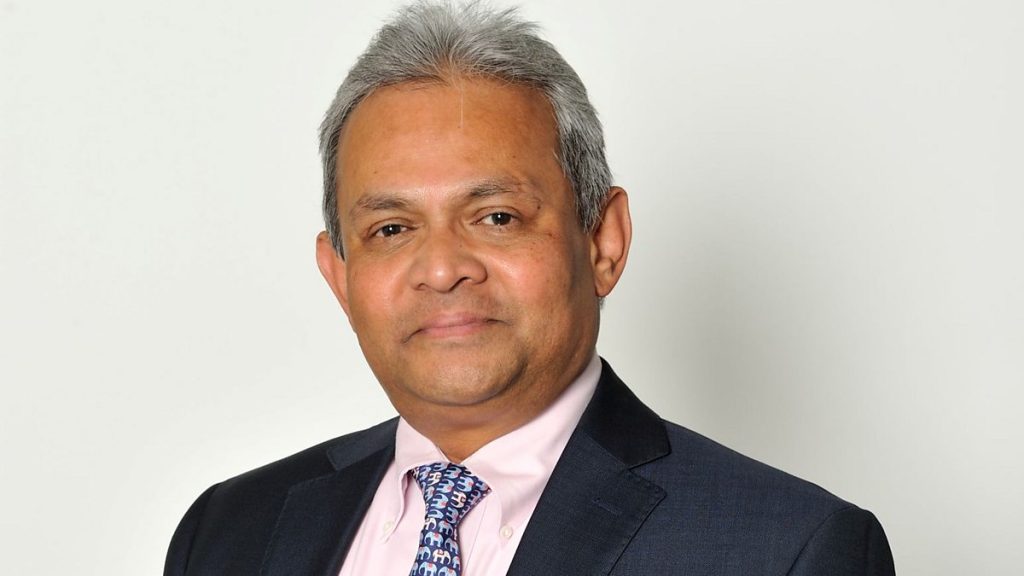
In a widely shared X post on Sunday, Arafat cited a fresh interview by BBC Bangla’s legendary editor Sabir Mustafa, who was on duty in London the night of May 5–6, 2013, and in constant contact with reporters on the ground.
Sabir Mustafa’s direct testimony:
– BBC correspondent Qadir Kallol stayed at Shapla Chattar from midnight until 4am.
– Kallol reported repeatedly: no live firing, no bodies, no bullet marks, no blood on the streets.
– Multiple TV crews and journalists were present throughout the police operation—none recorded a single death during the midnight clearance.
– When challenged, neither Human Rights Watch nor Odhikar could name even one person killed in the actual night operation.
Odhikar under spotlight for propagating massacre at Shapla Chattar in 2013
– “We are the BBC. We only report what we can verify. Whoever says we hid the truth – I don’t care. We know what happened that night,” Mustafa stated.
Arafat slammed the Yunus regime for rewarding the very fabricators of the myth:
– Odhikar secretary Adilur Rahman Khan, convicted in 2023 for publishing a fake list of 61 “martyrs”, is now Yunus’ Adviser for Housing and Public Works.
– Odhikar’s president C.R. Abrar has also been made an adviser.
“Had Yunus formed any commission on Shapla Chattar, it would only have been to legalise the same lie that Adilur was jailed for,” Arafat wrote.
The 2013 police action came after Hefazat-e-Islam paralysed Dhaka, torched vehicles, attacked police with petrol bombs and sharp weapons, and demanded blasphemy laws. Official records show 11–13 deaths during the entire day’s violence—most from Hefazat’s own clashes—and zero confirmed deaths from the midnight dispersal using only tear gas, rubber bullets and sound grenades.
Yet for twelve years, BNP–Jamaat, Hefazat and a section of foreign-funded NGOs have peddled claims of “thousands killed and bodies removed by trucks.”
Security expert Aminul Hoque Polash joined the attack yesterday, openly challenging Adilur: “Show the original 61-name list. Bring even one family on camera. You have the entire state machinery now—do it.”
Former Qawmi madrasa student Mufti Imran bin Bashir also confirmed that Islami Chhatra Shibir trained Hefazat activists to attack police, and that panic over sound grenades was deliberately spun into “genocide” rumours.
With the Yunus government already disbursing compensation to alleged “Shapla victims” and allowing fresh murder cases against Sheikh Hasina and 33 others, critics warn the regime is systematically rewriting history to appease Islamist radicals and erase the secular legacy of 1971.
 Bengali
  English