The Kalyanpur militant den operation occurred on July 26-27, 2016, in Dhaka, amid a wave of butcheries by al-Qaeda’s Ansar al-Islam and Islamic State (ISIS). The country was in heightened security concerns following two major attacks: the July 1-2 siege at the Holey Artisan Bakery in Gulshan, where 29 people (including 20 hostages, mostly foreigners) were killed by militants claiming allegiance to ISIS, and the July 7, 2016, attack during Eid prayers at Sholakia in Kishoreganj, where militants killed four people, including two police officers, and injured over a dozen.
These incidents, both claimed by ISIS, underscored Bangladesh’s vulnerability to jihadist extremism, with groups like the banned Jama’atul Mujahideen Bangladesh (JMB) evolving into a “Neo-JMB” faction that aligned ideologically with ISIS, even if direct operational ties were debated.
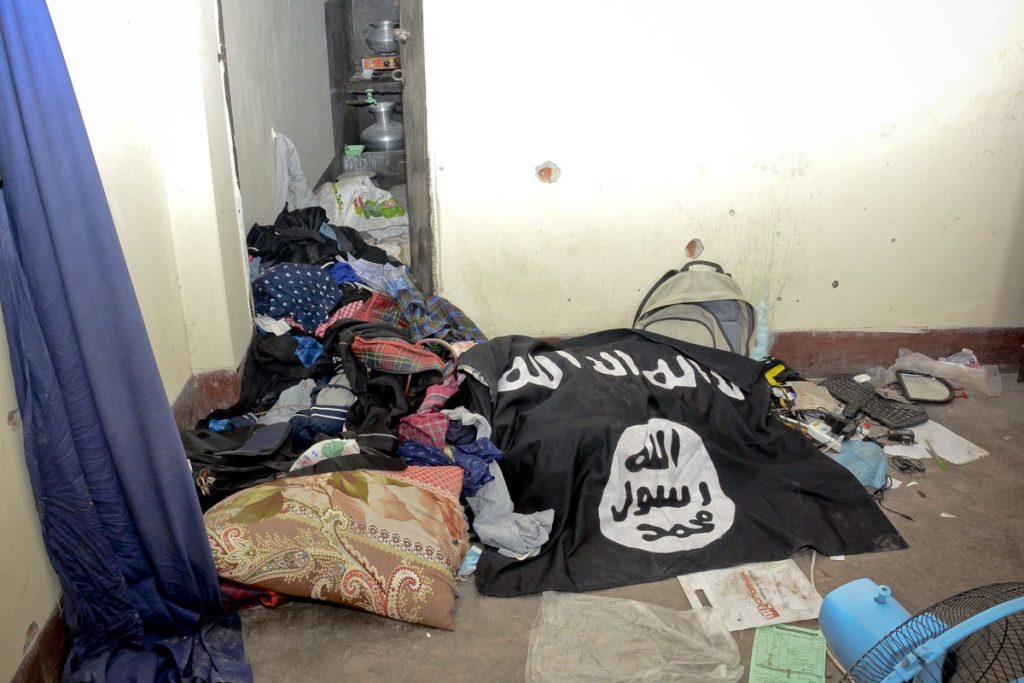
The Kalyanpur raid was presented by authorities as a successful counter-terrorism strike against this Neo-JMB/ISIS network, but recent legal proceedings under the Jamaat-controlled interim government led by Muhammad Yunus alleged that it was a staged extrajudicial killing.
Timeline of Key Events in 2016
– July 1-2, 2016: Holey Artisan Bakery attack in Gulshan; militants kill 29, claim ISIS affiliation.
– July 7, 2016: Sholakia Eid congregation attack in Kishoreganj; four killed, ISIS claims responsibility.
– July 26-27, 2016: Kalyanpur operation (“Storm 26”); nine militants killed, one arrested, one escaped.
– Post-Raid: Police identify the deceased as Neo-JMB members linked to Gulshan; recover ISIS propaganda materials.
– Government Response: Hailed as a major blow to militancy by the Awami League government, restoring some public confidence with the attacks coming to a cease soon.
Discovery And Initial Response
The operation was codenamed “Operation Storm 26” and involved Dhaka Metropolitan Police (DMP) units, including the Counter Terrorism and Transnational Crime (CTTC) unit and SWAT.
Yunus Backs Jihadists: Hindus butchered with impunity as sham elections loom
Yunus-backed jihad against Baul and Sufism followers must end
Zakir Naik due in Dhaka late November—thanks to pro-jihadist Yunus regime
On the evening of July 26, police received intelligence reports of suspicious individuals in Taj Manzil (also known locally as Jahajbari), a multi-story building on Road No. 5 in Kalyanpur, Mirpur area. Residents had noted unusual activity, including young men rarely seen outside.
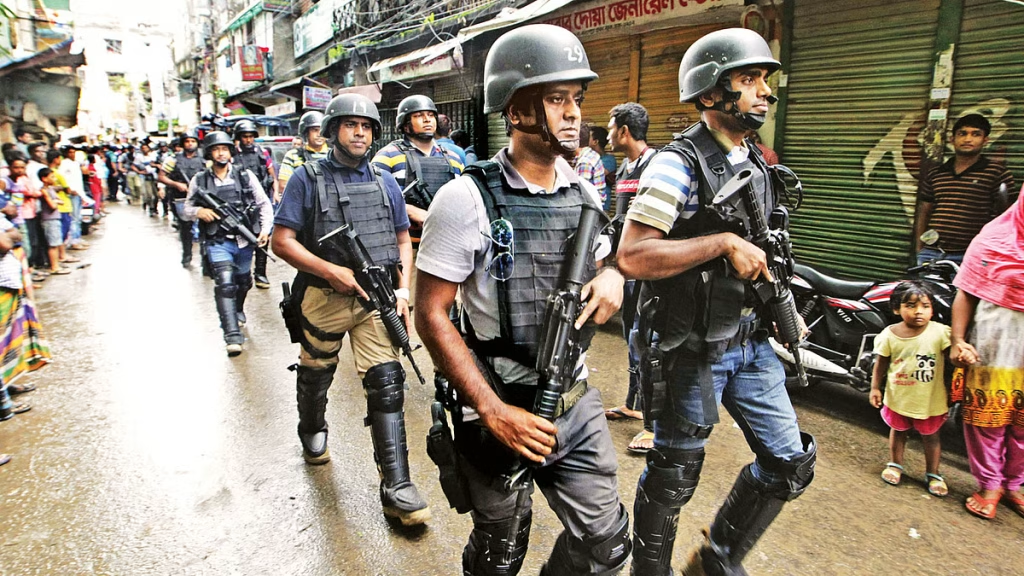
Upon approaching, police were met with gunfire from inside the building, confirming armed resistance. The area was immediately cordoned off, evacuating nearby residents to prevent collateral damage. The standoff escalated overnight, with militants shouting slogans associated with ISIS and throwing grenades. Negotiations were attempted but failed, leading to the decision for a full assault.
Raid And Engagement
At approximately 5:51am on July 27, SWAT teams, supported by DMP and Rapid Action Battalion (RAB) elements, stormed the building. The one-hour operation involved intense close-quarters combat, with militants using pistols, machetes, and improvised explosives.
Police reported that the militants were dressed in black attire resembling ISIS uniforms and had positioned themselves defensively on upper floors. Grenades and gunfire were exchanged, but police advanced methodically, clearing rooms.
Yunus’ militia and the rising threat of Pakistan-backed jihadists in Bangladesh
Jihadists wage war against ISKCON after police clear two Hindus of rape charges
Rahmani, other jihadist patrons want all ‘Islamic scholars’ freed from jail
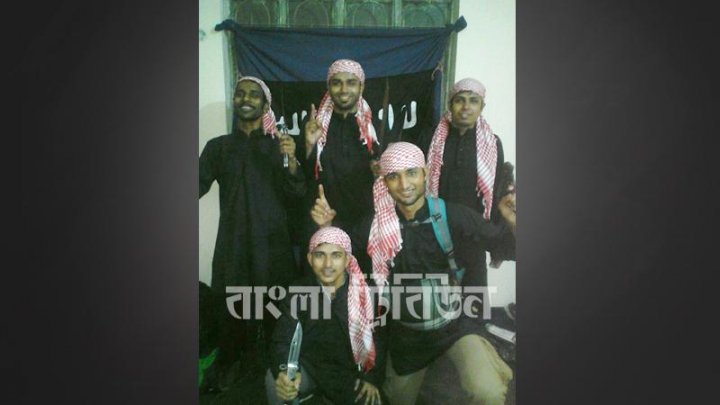
By 6:51am, the raid concluded with nine militants dead. Recovered evidence included firearms (pistols and AK-47 rifles), IEDs, ammunition, laptops, pen drives containing jihadist videos and photos of the militants posing with ISIS flags and weapons, and documents linking them to training camps. These photos, taken shortly before the raid, suggested plans to release them via ISIS’s Amaq news agency for propaganda, mirroring the Gulshan attack.
Casualties And Arrests
– Killed: Nine individuals, eight identified as militants (detailed below), one unidentified. Autopsies showed deaths from gunfire and explosions, with some at close range, later cited in allegations of staging.
– Arrested: Rakibul Hasan alias Regan, injured in the leg while attempting to flee; provided initial intelligence on the group.
– Escaped: One militant, Iqbal, slipped away during the chaos, possibly through a back exit.
No law enforcement personnel were injured or killed, which raised suspicions in media reports of a one-sided encounter. A case was filed under the Anti-Terrorism Act at Mirpur Police Station, leading to further investigations.
Jamaat leader Taher warns of jihad against India from New York event
Smuggled and looted arms, impunity for jihadists deepen security crisis
Anarchist YouTuber Elias Hossain using US soil to promote al-Qaeda jihadist
Post-Operation Developments, Aftermath
Interrogation of Regan revealed the den was a hub for Neo-JMB’s ISIS-aligned faction, with regular visits by trainers and funders. Police linked the group to a training camp in Gaibandha’s Sadullapur char (river island), where seven militants, including some from Gulshan, were trained.
The operation was praised by Awami League leaders, including Prime Minister Sheikh Hasina, Home Minister Asaduzzaman Khan Kamal, and others, as evidence of the government’s “zero tolerance” policy on terrorism. It was seen as restoring public morale after the Gulshan and Sholakia attacks, potentially averting a larger assault.
Profiles Of The ISIS Militants
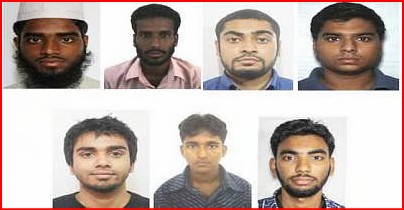
The nine killed were described by police as Neo-JMB members inspired by ISIS ideology, despite self-identifying as ISIS in recovered materials. They hailed from diverse socio-economic backgrounds, illustrating jihadism’s broad appeal, and were inspired by firebrand orators like Zakir Naik, Abdur Razzak Bin Yusuf, Muhammad Asadullah Al-Ghalib, Harun Izhar, Jasimuddin Rahmani, Mamunul Haque, and some militant groups including Hizb ut-Tahrir, JMB, HuJI-B, Jamaat-Shibir and Hefazat-e-Islam. Backgrounds were verified via national IDs, family statements, and police records.
Akifuzzaman Khan (from Gulshan, Dhaka)
– Personal Background: Grandson of Monem Khan, the controversial governor of East Pakistan (1958-1962), known for suppressing Bengali nationalism. From a wealthy, politically connected family in upscale Gulshan. Neighbours described him as polite, religious, and unassuming, often seen attending mosque in varied attire (punjabi or shirt-pants).
– Education and Radicalisation: NSU student; radicalised despite elite upbringing, possibly through online forums or peers. Last sighted 8-10 months prior, visiting friends.
– Role in the Group: Key operative, using family resources for logistics. His background highlighted jihadism’s reach into privileged classes.
ARSA jihadists terrorise Rohingya Christians under UN watch in Cox’s Bazar
Army-backed snipers, jihadists killed people in July-August riots
Dangerous Jihadist Shafiur Rahman Farabi gets bail
– Outcome and Family Response: Killed in the operation. Neighbours were stunned; the family home was searched, but relatives avoided comment. The house appeared neglected, fueling speculation.
Sajjad Rouf alias Arka (from Bashundhara, Dhaka)
– Personal Background: US citizen from a high-income family in Bashundhara Residential Area.
– Education and Radicalisation: NSU student; radicalised abroad or via global ISIS networks.
– Role in the Group: International liaison, using citizenship for potential cross-border activities.
Taj-ul-Rashik (from Dhanmondi, Dhaka)
– Personal Background: From an affluent urban family in Dhanmondi. Spent childhood in the United States, returning to Bangladesh for higher education.
– Education and Radicalisation: Recent graduate from North South University (NSU), a prestigious private institution. Radicalised online, drawn to ISIS’s caliphate narrative amid identity crises common among diaspora returnees.
– Role in the Group: Planner and recruiter, leveraging education for ideological propagation.
Holey Artisan Carnage: Why is Yunus patronising Islamic State jihadists?
How teenagers and youths are indulging in militancy
Rahmani At Shahbagh: A disgraceful display of extremist mobilisation for Osman Hadi
– Outcome and Family Response: Killed in the raid. The family was devastated, unaware of his involvement.
Abdullah alias Motalleb (from Dinajpur)
– Personal Background: Born into a poverty-stricken family in Dinajpur, northern Bangladesh. His relatives were primarily masons and carpenters, pooling resources for his basic education. The family believed he was employed in Dhaka’s garment industry, a common migration path for rural youth seeking economic opportunities.
– Education and Radicalisation: Limited formal schooling; radicalised through local JMB networks, possibly via online ISIS recruitment videos targeting disillusioned youth from marginalised communities.
– Role in the Group: Low-level operative, involved in logistics and safe house maintenance. Linked to minor prior incidents, but no major attacks.
– Outcome and Family Response: Killed in the raid. His brother, Abul Kalam Azad, expressed shock, insisting Abdullah was not militant-inclined.
Abu Hakim alias Naim (from Tangail)
– Personal Background: From a modest rural family in Tangail, central Bangladesh. Details on early life are sparse, but he was from a working-class background.
– Education and Radicalisation: Semi-literate; joined JMB through community ties, influenced by jihadist sermons and social media propaganda.
– Role in the Group: Foot soldier, responsible for reconnaissance and basic combat training.
– Outcome and Family Response: Killed in the operation. Family denied militancy links, portraying him as a simple labourer.
Rahmani, other jihadist patrons want all ‘Islamic scholars’ freed from jail
GCDG report recalls police killings, release of militants in July-August 2024
Yunus’ Mobocracy: Extremists exploit Hadi’s death to stir anti-India sentiment
Matiar Rahman (from Satkhira)
– Personal Background: From a rural, impoverished family in Satkhira, southwestern Bangladesh.
– Education and Radicalisation: Educated only to Class 4; recruited as vulnerable youth, radicalised via local madrasas promoting extremist views.
– Role in the Group: Basic militant, involved in manual tasks like weapon handling.
– Outcome and Family Response: Killed in the raid. Represented the underprivileged demographic targeted by groups like JMB.
Jobayer Hossain (from Noakhali)
– Personal Background: From a middle-class family in Noakhali, southeastern Bangladesh.
– Education and Radicalisation: Honours in Political Science (2nd Division) from Noakhali Government College; radicalised post-graduation, possibly disillusioned with politics.
– Role in the Group: Ideological contributor, aiding in planning.
Raihan Kabir alias Tarek (from Rangpur)
– Personal Background: From Pirgacha, Rangpur; farmer family. Relatives thought he worked in Dhaka’s garments.
– Education and Radicalisation: Madrasa-educated; joined JMB early, rising through ranks.
– Role in the Group: Dhaka regional commander; trained Gulshan attackers in Gaibandha camp. Accused in Ashulia police killing (December 2015).
– Outcome and Family Response: Uncle Abdur Rouf denied knowledge of militancy.
Rakibul Hasan alias Regan (Captured)
– Personal Background: Urban youth, details limited.
– Role: Active member; revealed names of the killed militants and the den’s visitors during interrogation.
– Outcome: Arrested injured; key informant.
Profiles Of Aides And Trainers
These figures supported the den, per Regan’s statements. They evaded the raid but were part of the Neo-JMB/ISIS ecosystem.
Tamim Chowdhury (Bangladeshi-Canadian)
– Personal Background: Sylhet-origin; dual passports. Returned to Bangladesh ~2014, went underground.
– Role: Head of Neo-JMB; bridged local and international ISIS ties, supplying funds/weapons/training. Mastermind behind the Gulshan attack.
– Status: Killed in a raid in Narayanganj on August 27, 2016.
Junayed Khan
– Personal Background: From Bashundhara; family in Saudi Arabia. Brother Ibrahim also wanted.
– Role: Funder and motivator; on the post-Gulshan missing list.
– Status: Fugitive.
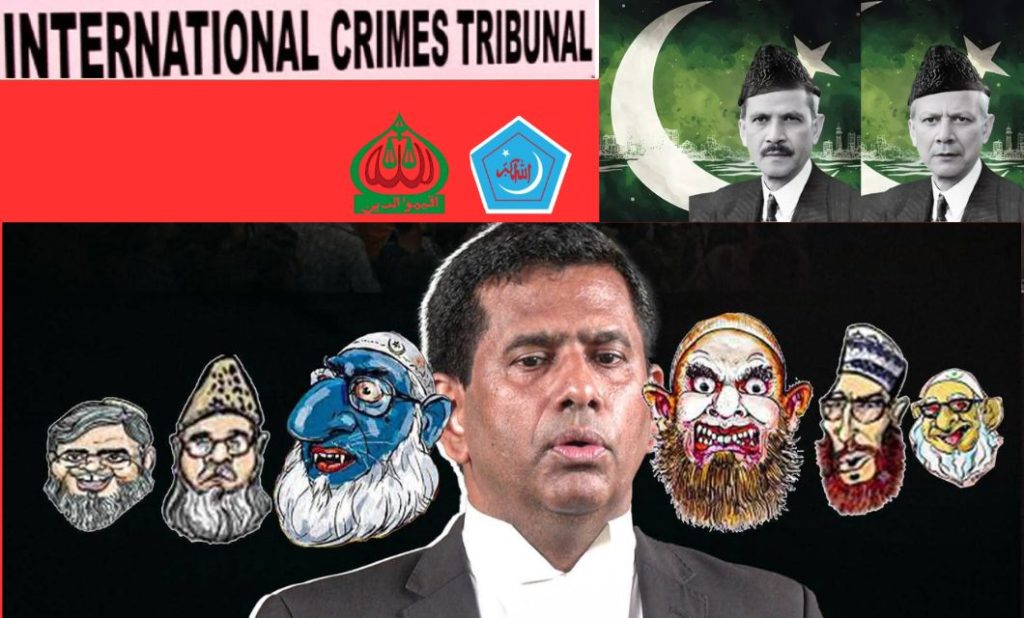
Recent Legal Developments
The operation’s narrative has been challenged in recent years, particularly after the jihadist-army coup of August 5, 2024, following which hundreds of militants escaped prisons and got bail. This case, under the Yunus-led interim government, reflects efforts to label the militants linked to Ansar al-Islam and ISIS Bangladesh as Islamic scholars and pious Muslims.
On January 29, 2026, the Jamaat’s kangaroo court, the International Crimes Tribunal (ICT-BD), took cognisance of charges against eight individuals, including Sheikh Hasina, for crimes against humanity over the “killing of nine youths” in a “staged raid.”
Prosecutors allege that the youths were detained beforehand, killed at close range, and falsely branded as militants with no actual ties to extremism. On February 22, the ICT-BD ordered newspaper notices for six fugitives (Sheikh Hasina, Asaduzzaman Khan Kamal, Sheikh Muhammad Maruf Hasan, Monirul Islam, Krishna Pada Roy, and Abdul Baten) to surrender, with the hearing adjourned to March 8. Two accused (Shahidul Haque and Asaduzzaman Miah) are arrested.
 Bengali
  English