Bangladesh’s porous borders with Myanmar have become a perilous conduit for heroin precursors, with raw materials and opium poppy seeds streaming in from the world’s top opium producer, only to be funnelled to clandestine Indian factories for processing before looping back as finished narcotics.
This alarming trend, detailed in a November 8 report by The Daily Sun and corroborated by intelligence from the Department of Narcotics Control (DNC), underscores a deepening regional drug crisis that threatens to overwhelm Bangladesh’s already strained anti-trafficking efforts.
According to the DNC’s regional headquarters, smugglers are exploiting remote routes through the Chittagong Hill Tracts (CHT) and Teknaf districts to transport truckloads of heroin raw materials from Myanmar. These consignments are then stealthily rerouted to India via the newly operational Sultanganj river port in Godagari, Rajshahi, where they are converted into heroin in hidden labs before being reimported into Bangladesh.
“Upon arrival in Bangladesh, the raw materials are sent to India for conversion into finished products, which are subsequently re-imported into Bangladesh,” a confidential DNC report authored by Deputy Director Zillur Rahman warns, highlighting how the country’s non-producing status belies its vulnerability as a transit hub.
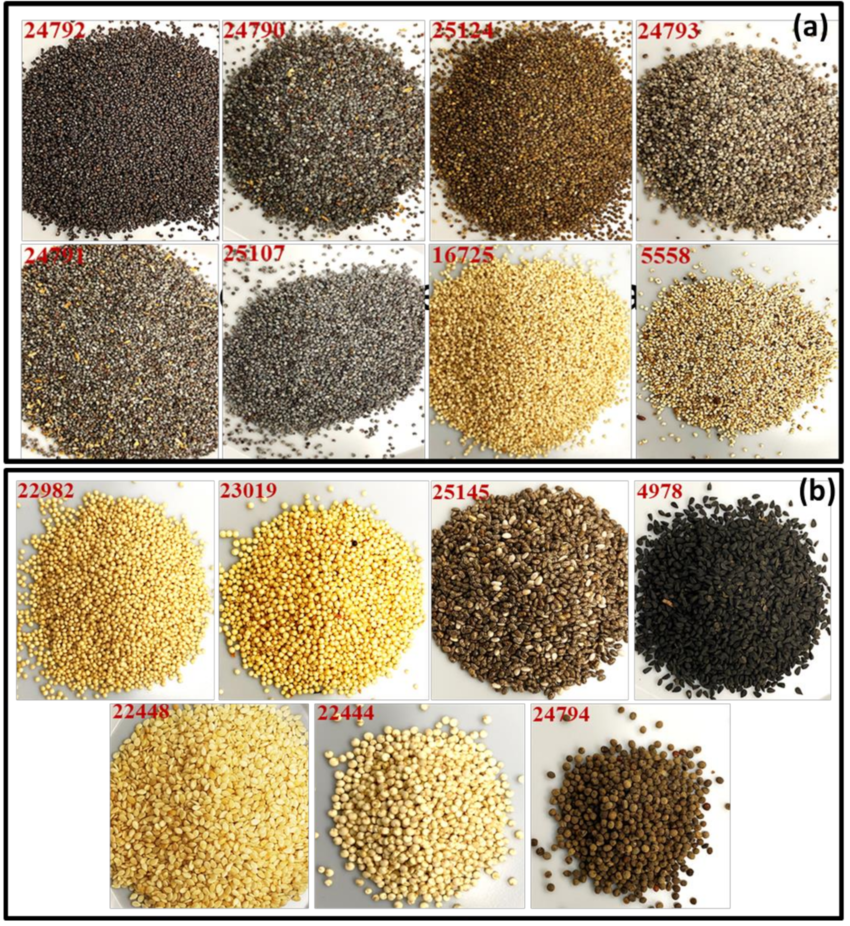
Compounding the threat, opium poppy seeds—essential for cultivation—are being smuggled in deceptive packaging to dodge customs scrutiny. Recent seizures at Chittagong port uncovered containers mislabeled as “bird feed” containing prohibited seeds traced back to Pakistan, though Myanmar remains the primary source. DNC chemistry tests on confiscated seeds confirmed no germination potential, but samples have been rushed to the University of Dhaka, Bangladesh Agricultural Research Institute in Gazipur, and Chittagong University of Engineering and Technology (CUET) for further analysis.
Deputy Director Humayun Kabir of the DNC’s Chittagong division noted that customs is overseeing the seized seeds, but the influx signals a sophisticated evasion strategy requiring specialised law enforcement training.
Yunus Regime Under Fire: Pakistan’s ‘bird feed’ turns out to be poppy payload
Exclusive: US troops in Bangladesh ready to invade Myanmar
Yunus’ militia and the rising threat of Pakistan-backed jihadists in Bangladesh
This escalation echoes longstanding patterns documented in earlier investigations, including the March 2024 reports for Dhaka Tribune, which mapped Bangladesh’s entanglement in the Golden Triangle’s narcotics web—the infamous opium hub spanning Myanmar, Laos, and Thailand. Back then, UN Office on Drugs and Crime (UNODC) data already painted a grim picture: Myanmar’s opium cultivation had surged to 47,100 hectares in 2023, yielding 1,080 tons—a 36% jump from the prior year—with Shan State alone driving a 20% increase.
Political turmoil post-2021 coup, ethnic insurgencies, and military interventions since 1962 have transformed Myanmar into a “hotbed for organised crime,” as UNODC Regional Representative Jeremy Douglas described it, with fragmented militias controlling remote border territories ideal for poppy fields and synthetic drug labs.
Those reports revealed how yaba (methamphetamine pills) and ICE (crystal meth)—Myanmar’s synthetic staples from Shan and Kachin states—have flooded Bangladesh via the Naf River and coastal borders for over two decades, often peddled by criminal gangs and Rohingya networks in refugee camps. Heroin, once primarily Afghan-sourced via India, has shifted eastward, with DNC seizures spiking: 8.4 kg nabbed from a Rajshahi farmhouse in January 2025 alone, up from 2 kg in Dhaka the previous year.
The Sultanganj port, touted for legitimate trade, now doubles as a smuggling veil, mirroring how porous frontiers enable “impunity” for cartels laundering profits through wildlife trafficking, arms deals, and human smuggling.
Bangladesh’s drug woes extend far beyond borders, infiltrating every societal layer as chronicled in my 2024 analysis. Urban hotspots like Dhaka’s marketplaces, slums, parks, and even elite recreational spots teem with abuse, while rural and remote areas show stark visibility—youngsters, unemployed youth, criminals, and even affluent scions hooked on everything from cheap yaba to high-end cocaine and LSD.
Ishtehar: The reason why the US wants to build a base in Bangladesh
Where are all these drugs coming from?
What is Bangladesh doing to check drug smuggling, abuse?
DNC data from 2015–2023 logged 38.763 kg of cocaine seizures, including a record 8.3 kg at Dhaka airport in January 2024, underscoring the country’s role as a South American-to-Europe transit point. Cannabis remains king, smuggled via Comilla and Brahmanbaria; Phensedyl and buprenorphine flood from India; and ICE’s potency has driven seizures from 37 kg in 2021 to 133 kg in 2022, with a 21 kg BGB bust in 2023 marking a grim milestone.
The human toll is devastating: Cocaine and meth ravage the central nervous system, fostering addiction that warps brain function, as seen in the 2022 Banani raid, busting a Swiss-Bangladeshi supplier peddling fusion drugs to Dhaka’s party scene. UNCTAD estimates drug trafficking drains $481 million annually in illicit financial flows, fueling a shadow economy that erodes governance. Rohingya camps, now under tighter surveillance per government orders, serve as distribution nodes, with 66 identified smuggling pathways along the 271-km Myanmar border largely unsecured.
In response, the government has ramped up inter-agency collaboration, deploying BGB and army units to raze opium patches in remote forests—though inaccessible terrains persist as hurdles. The 2018 Narcotics Control Act amendment imposes death or life sentences for major hauls, and task forces patrol Cox’s Bazar and Teknaf. Yet, as UNODC urges cross-border intel-sharing to choke precursor chemicals into Myanmar, experts warn that without addressing root chaos—insurgencies, poverty driving farmers to poppies, and online dark-web deals—Bangladesh remains a sitting duck.
DNC’s internal alerts demand urgent action: enhanced border fencing, joint operations with India and Myanmar, and community rehab programs to stem domestic demand. As one trafficker, Tariq, learned in his April 2025 arrest with 6.5 kg of heroin and 1.3 million taka, the net is tightening—but for a nation squeezed between the Golden Triangle and the Bay of Bengal, the real battle is sealing the sieve before it drowns the next generation.
 Bengali
  English