Tensions soared in India on Wednesday as New Delhi summoned Bangladesh’s High Commissioner Md Riaz Hamidullah to lodge a strong protest over escalating anti-India protests in Dhaka, including threats to the Indian High Commission and inflammatory remarks targeting India’s northeastern states.
The Ministry of External Affairs (MEA) expressed “deep concern” over the deteriorating security environment in Bangladesh, highlighting activities by “extremist elements” planning disruptions around the Indian mission. The summons followed announcements of a “march” to the High Commission by radical groups and provocative statements from Bangladeshi leaders.
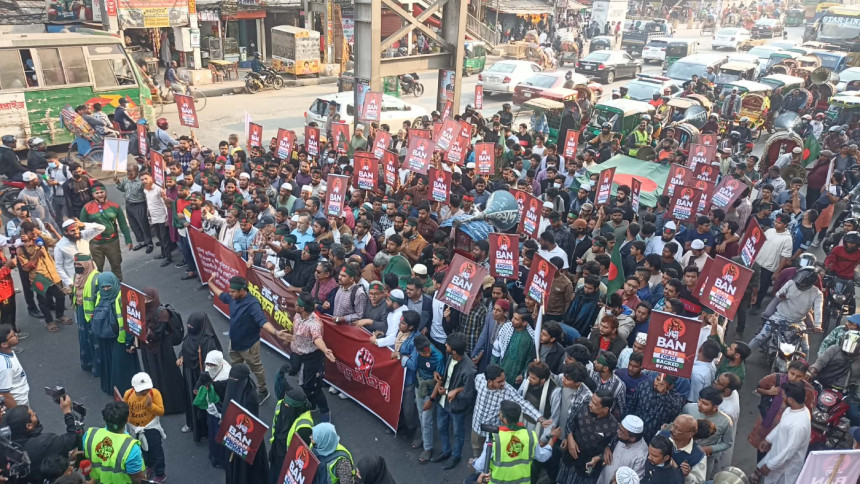
In a particularly alarming development that has rattled security circles in India, National Citizen Party (NCP) leader Hasnat Abdullah threatened to “isolate” and “sever” India’s “Seven Sisters”—the northeastern states of Arunachal Pradesh, Assam, Manipur, Meghalaya, Mizoram, Nagaland, and Tripura—by sheltering separatist groups. Abdullah’s remarks, made at a rally linked to protests over the recent shooting of anti-India activist Sharif Osman Hadi, together with the daily Amar Desh Editor Mahmudur Rahman, an ISI agent patronising jihadists, drew widespread condemnation in India for directly challenging territorial integrity.
“Such rhetoric is unacceptable and poses a serious threat to India’s internal security,” a senior MEA official said off-record, noting vulnerabilities along the narrow Siliguri Corridor connecting the Northeast to mainland India.
Adding to the unease, India temporarily closed its main visa application centre in Dhaka early on Wednesday amid security threats, disrupting services for thousands of Bangladeshi applicants seeking medical treatment, education, and travel to India.
At 3:15pm, Islami Chhatra Shibir’s covert wing, July Oikyo, launched a long march to the Indian High Commission. As the procession reached Uttar Badda around 4pm, police erected a barricade and barred the demonstrators from moving forward.
The most remarkable person leading the march was Lt. Col. (Retd.) Hasinur Rahman, a key associate of Brig. Gen. (Retd.) Abdullahil Amaan Azmi, the son of top razakar and former Jamaat ameer Ghulam Azam.
Rahman and former military officer Col. Abdul Hoque, a BNP leader and chairman of RAOWA Club, recently called for the separation of India’s northeastern states and the establishment of seven independent states. Rahman said: “If India is not fragmented, we will not have peace.”
Yunus intensifies crackdown with Devil Hunt-2, over 1,000 arrested on day 1
Victory Day: Sheikh Hasina issues defiant message, vows return
Interview With Reuters: President Shahabuddin says his voice has been stifled
The protests stem from the December 12 attempted assassination of Hadi, a prominent anti-Hasina figure and independent election candidate, who was shot in broad daylight and later airlifted to Singapore for treatment at government expense. Some Bangladeshi groups baselessly alleged links to India or exiled former Prime Minister Sheikh Hasina, fueling anti-India demonstrations.
On Victory Day (December 16), Dhaka authorities unveiled “Felani Avenue” in the capital’s diplomatic quarter, renaming a road after Felani Khatun, a 15-year-old killed by India’s Border Security Force in 2011. The move, described by Bangladeshi officials as a “symbol of protest” against border killings, was seen in New Delhi as a deliberate provocation amid the unrest.
India rejected narratives blaming it for Hadi’s attack, with the MEA stating it “completely rejects the false narrative sought to be created by extremist elements.” Sources indicate growing concerns in India over rising radicalism under the Muhammad Yunus-led interim government, including closer ties with Pakistan and unchecked anti-India sentiment ahead of the February 2026 elections.
Fake July Martyr: Police for withdrawal of murder case against Sheikh Hasina
Abuse Of Power: Deena Afroz Yunus, Ashik Chowdhury mock military honour
The Awami League remains banned, excluding Bangladesh’s largest party from polls, while exiled Hasina continues to face extradition demands unmet by India.
As bilateral ties strain—once a model of cooperation under Sheikh Hasina—experts warn of risks to trade, connectivity, and minority protection. India has called on Dhaka to fulfil diplomatic obligations for mission safety while quietly bolstering border vigilance in the Northeast.
 English
  Bengali